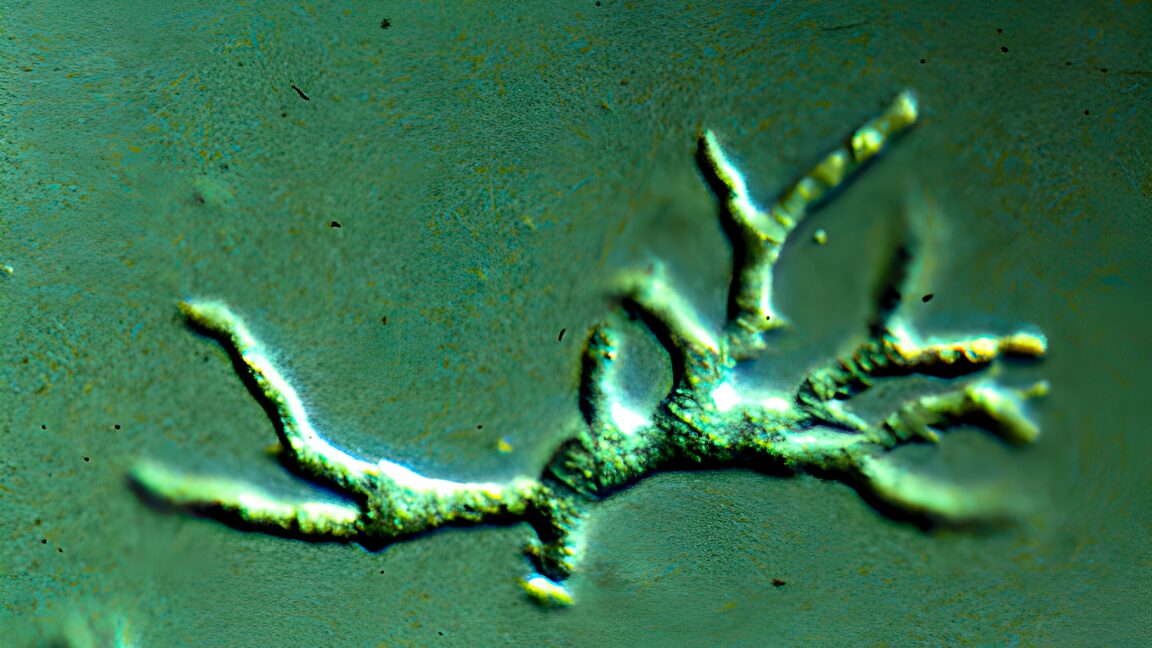
TUNIS: A toddler in Washington state tragically passed away due to an infection with a rare brain-destroying amoeba. The child initially exhibited symptoms such as vomiting, lethargy, and weakness, which escalated to more severe signs including fever and difficulty swallowing. Despite medical intervention, the child's condition deteriorated rapidly, leading to his untimely death. The amoeba responsible for the infection is an extremely rare pathogen, first identified in 1986, and is known for its devastating effects on the brain.
With only about 200 cases documented worldwide, its rarity often leads to misdiagnosis. The initial symptoms can be vague, and the infection can present differently in patients, complicating the diagnostic process. The infection's rarity and atypical presentation in this case misled the doctors, making it challenging to diagnose in time. The lack of clear indicators on tests and scans further contributed to the difficulty in identifying the amoeba infection.
This tragic incident underscores the critical need for heightened awareness and research into rare pathogens like the brain-eating amoeba. Improving diagnostic techniques and awareness among medical professionals could enhance early detection and potentially save lives in the future.
Image credit: ARS TECHNICA