
MALAYSIA: Experts in urban development and technology are focusing on collaborative strategies to mitigate traffic congestion in major cities around the world. By leveraging advanced algorithms and theoretical models, these initiatives aim to enhance traffic flow and reduce the environmental impact of urban transportation. Traffic congestion has long been a significant challenge for urban planners, leading to increased commuter times and environmental pollution. Recent studies have highlighted the potential for collaboration between various stakeholders, including governments, tech companies, and local communities, to address these issues effectively.
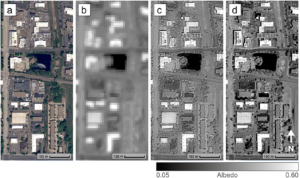
These efforts are gaining traction as cities seek sustainable solutions to growing urbanization. Implementing enhanced last-mile delivery systems and expanding heat resilience data across global cities are key strategies being discussed. The integration of technology and logistical improvements could significantly decrease congestion and emissions, providing a more sustainable urban environment. The broader implications of these collaborative efforts could lead to improved quality of life in urban areas, with reduced travel times and lower pollution levels.
As cities continue to grow, these strategies may serve as a blueprint for sustainable urban planning, emphasizing the importance of technology and cooperation in addressing modern challenges.
Image credit: GOOGLE RESEARCH