
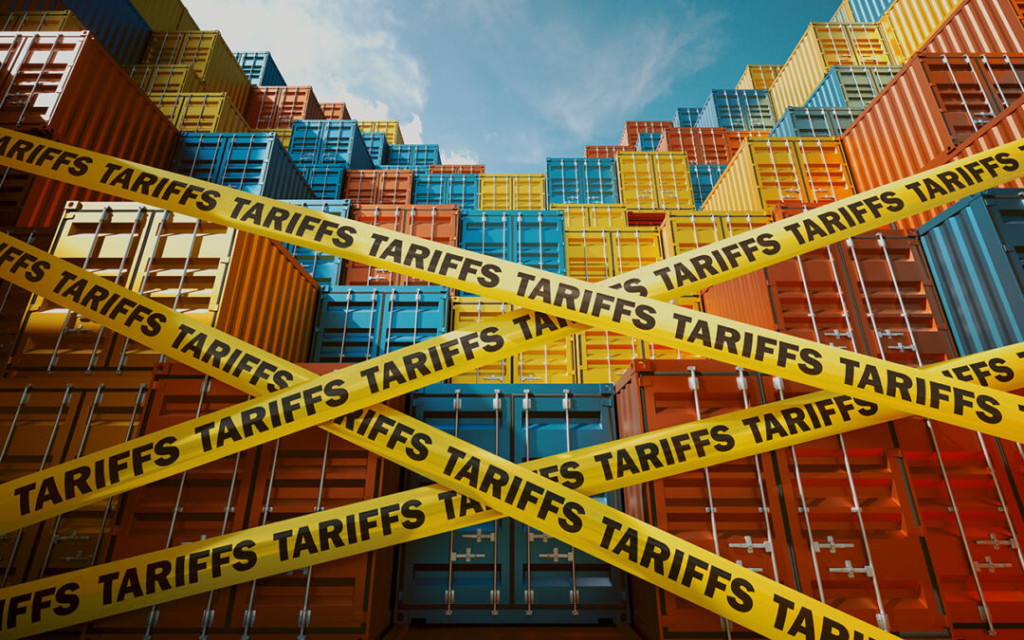
MALAYSIA: In recent years, the use of tariffs has become a hallmark of Donald Trump’s economic strategy, particularly during his second term. These measures were intended to bolster U.S. Production by protecting domestic industries from foreign competition. However, there is growing skepticism among experts about the actual effectiveness of tariffs in achieving these economic goals.
Tariffs are taxes imposed on imported goods, aimed at making these goods more expensive and less attractive compared to domestic products. The idea is to encourage consumers to buy American-made goods, thereby boosting domestic production. Despite this intention, some argue that tariffs can lead to higher prices for consumers and strained international trade relations, potentially offsetting any benefits to the U.S. Economy in the long term.
While tariffs have spurred some growth in the steel industry, the broader impact on U.S. Production remains uncertain. Industry and labor leaders acknowledge that although there has been some positive movement, additional measures are necessary to sustain and enhance growth in various sectors. The broader implications of relying on tariffs as an economic tool include potential trade wars and increased costs for consumers.
Policymakers are urged to consider alternative strategies that could more effectively support domestic production without the negative side effects associated with tariffs.